Early Signs of Brake Wear You Should Not Ignore
Brake components wear gradually, which makes early warning signs easy to dismiss until stopping performance drops noticeably. Recognizing subtle changes in sound, pedal feel, and steering behavior helps you schedule service before metal-on-metal contact damages rotors or reduces safety margins on the road.
Unusual Noises During Braking
A high-pitched squeal often indicates that pad friction material is thin and the wear indicator is contacting the rotor. Grinding or scraping sounds suggest pads may be fully worn and backing plates are scoring the rotor surface. Either symptom warrants inspection within a short driving window.
- Intermittent squeal in wet conditions can be normal, but persistent noise is not.
- Grinding under light pedal pressure usually signals advanced wear.
- Clicking during turns may relate to loose caliper hardware rather than pads alone.
Pedal Feedback and Pulsation
A brake pedal that pulses under steady pressure often points to rotor thickness variation or heat-related warping. A soft or sinking pedal may indicate fluid issues or air in the hydraulic system. Both conditions affect stopping consistency and should be diagnosed separately from simple pad replacement.
Visual Checks You Can Perform
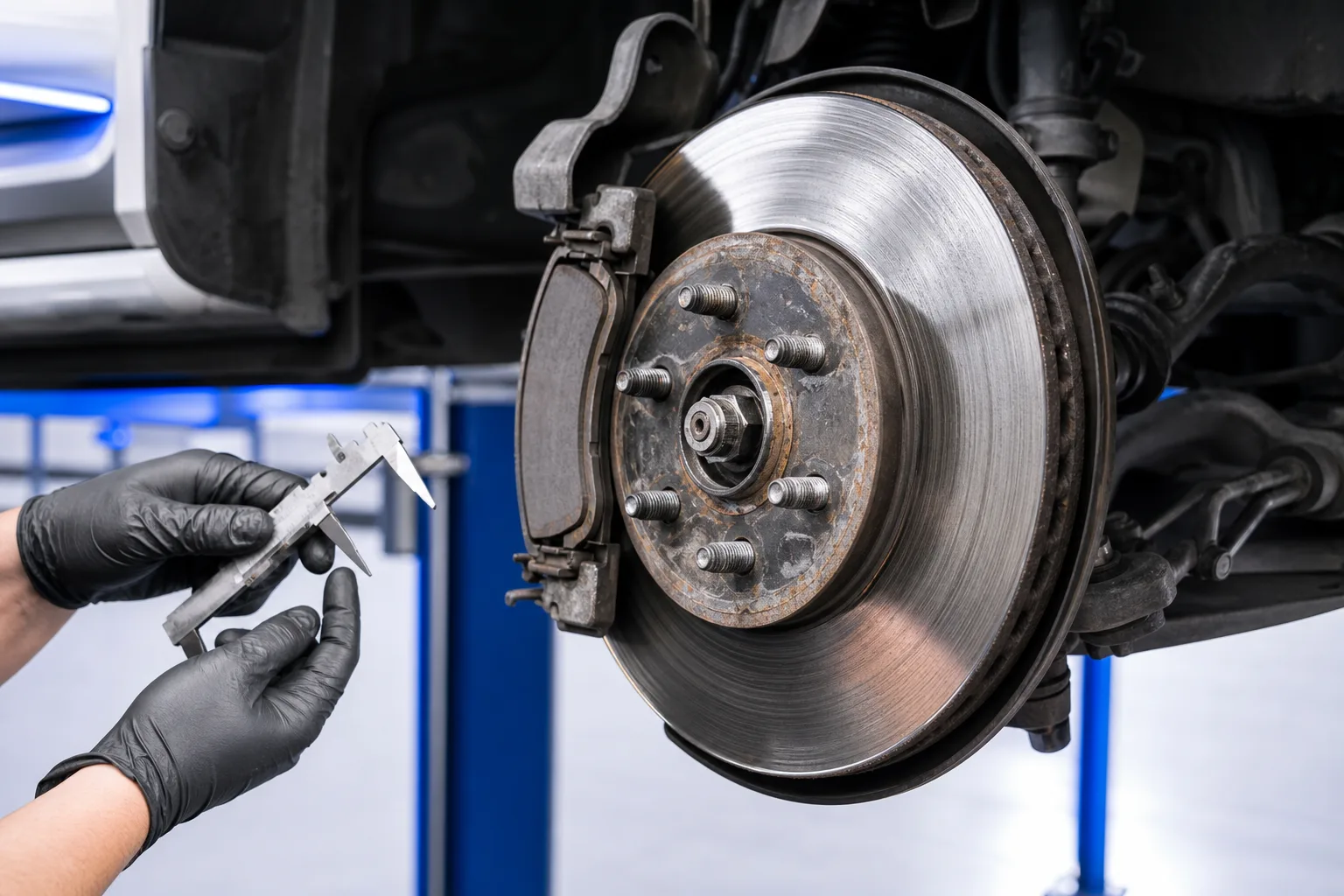
Through open wheel spokes, look for pad material thickness against the rotor. If the pad appears thinner than a standard credit card, schedule a measurement. Inspect rotors for deep grooves, rust ridges, or color changes that suggest overheating.
When to Visit a Technician
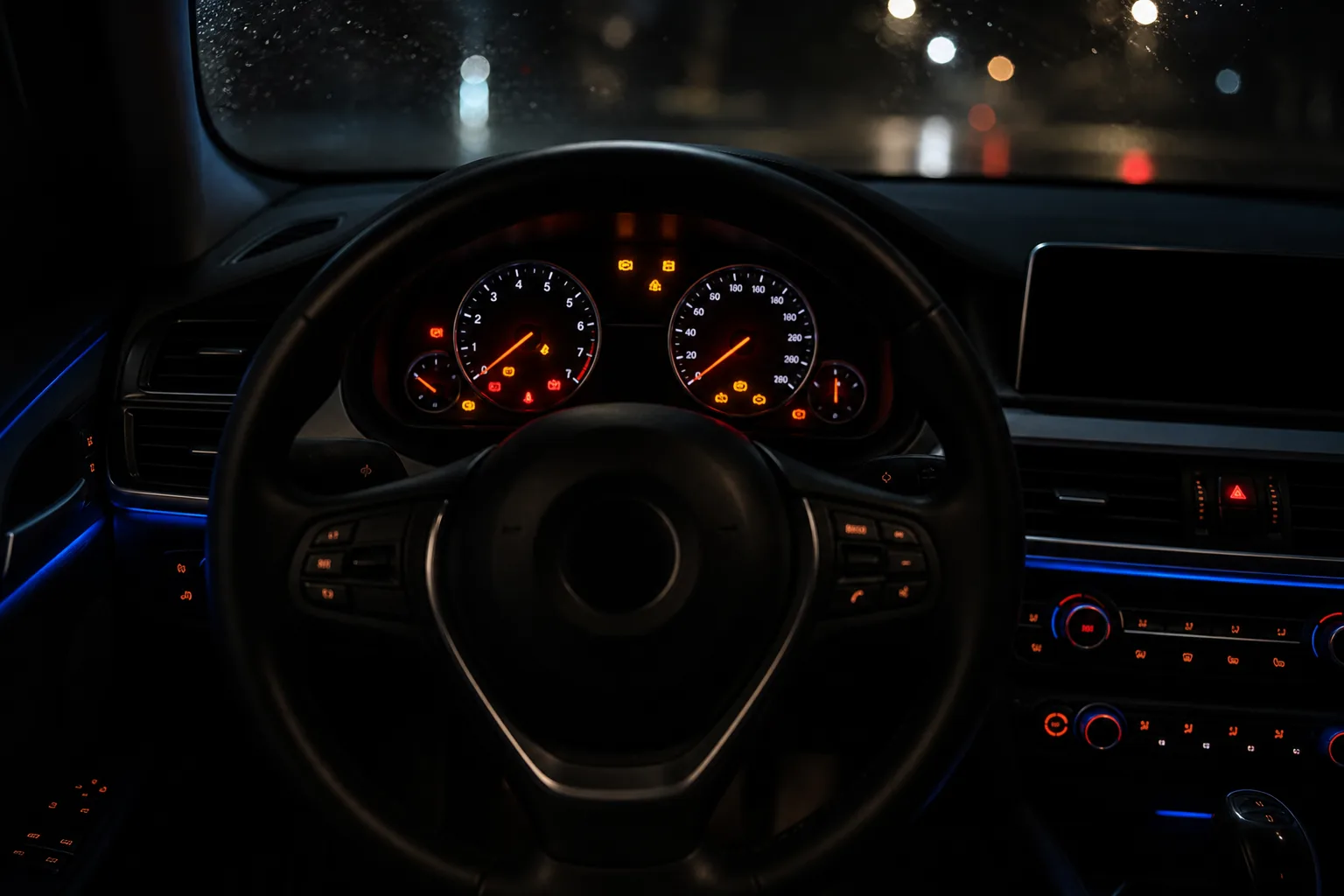
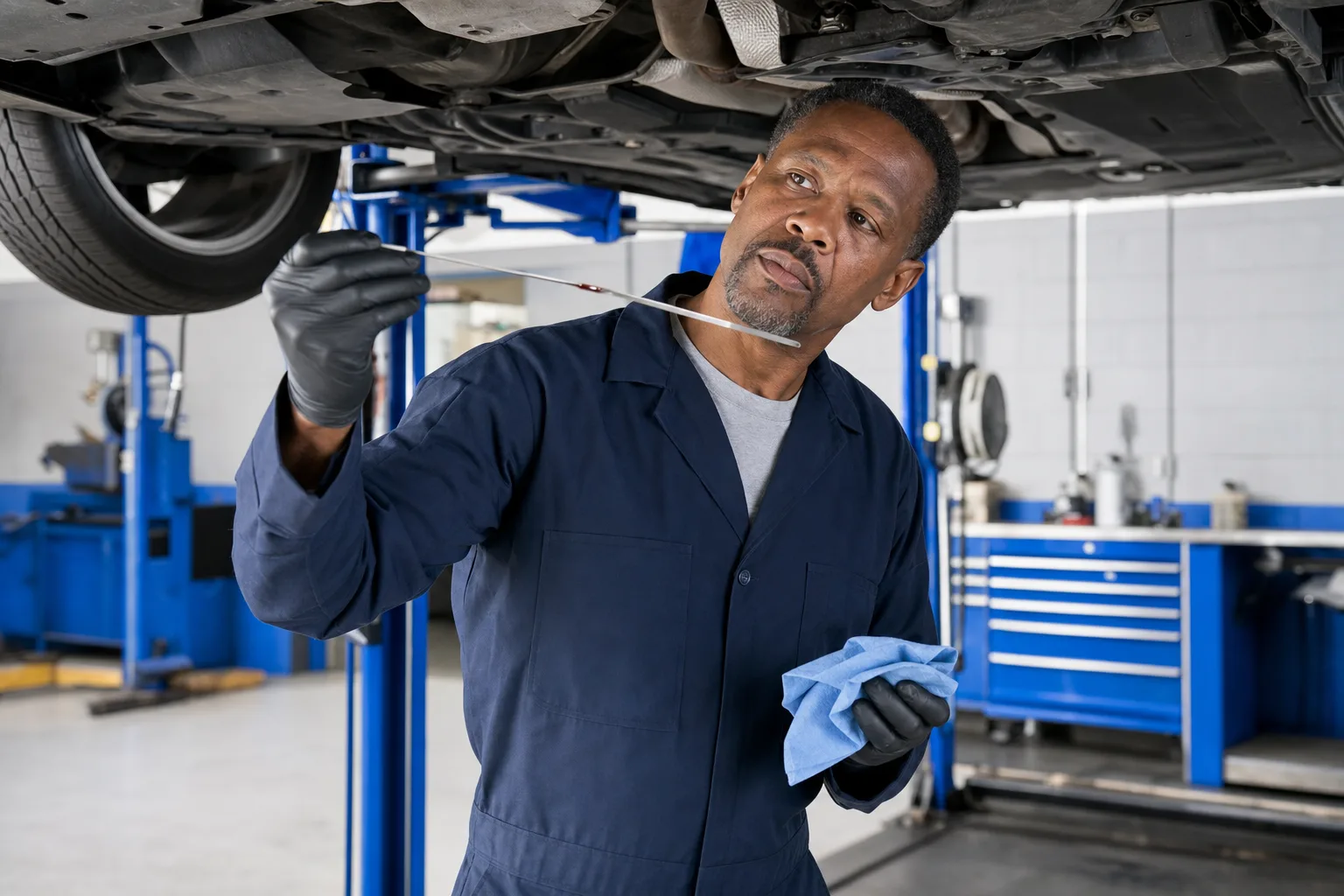
If stopping distance increases, the vehicle pulls under braking, or warning lights activate, do not delay a professional inspection. At leptocephal, we measure pad and rotor thickness, test hydraulic pressure, and provide a written report before recommending any repair work.