Understanding Engine Warning Lights Without Panic
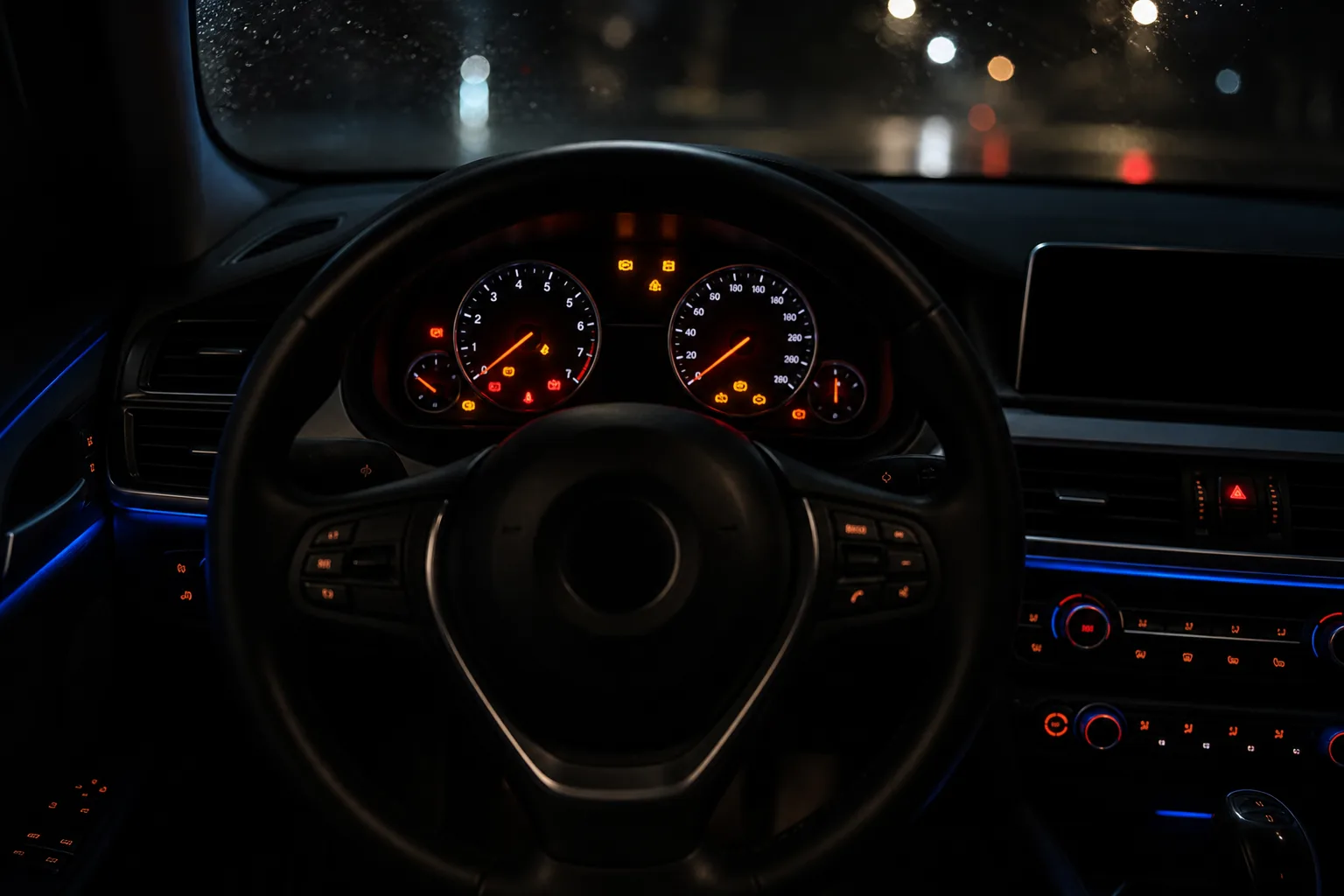
Dashboard warning lights are designed to alert you when a control module detects a fault. The same illuminated icon can represent a minor sensor issue or a condition that requires immediate attention. Understanding context helps you respond appropriately instead of ignoring a critical signal or overreacting to a temporary glitch.
Steady Versus Flashing Indicators
A steady check-engine light often indicates an emissions-related fault or sensor reading outside expected range. The vehicle may continue operating normally for a limited period, but a diagnostic scan should be scheduled soon. A flashing check-engine light typically signals misfire conditions that can damage the catalytic converter if driving continues under load.
Common Associated Symptoms
Rough idle, reduced power, or increased fuel consumption often accompany active fault codes. Note when symptoms appear — cold start, acceleration, or idle — because this information helps technicians isolate the affected system faster during diagnosis.
- Document whether the light appeared after refueling or recent service.
- Check whether other warnings such as oil pressure or temperature appear simultaneously.
- Avoid extended high-speed driving if the indicator flashes under acceleration.
What a Diagnostic Scan Reveals
Scan tools retrieve stored fault codes and live data streams from engine and transmission modules. Codes alone do not always identify the failed part; they indicate which system reported abnormal values. Professional diagnosis verifies wiring, sensors, and mechanical components before parts are replaced.
Safe Driving Limits Before Service
If the light is steady and performance feels normal, schedule a scan within a reasonable timeframe and avoid aggressive driving until the cause is confirmed. If the light flashes or performance drops sharply, reduce speed, avoid towing, and arrange inspection promptly. At leptocephal, we explain scan results in plain language and group repairs by urgency.